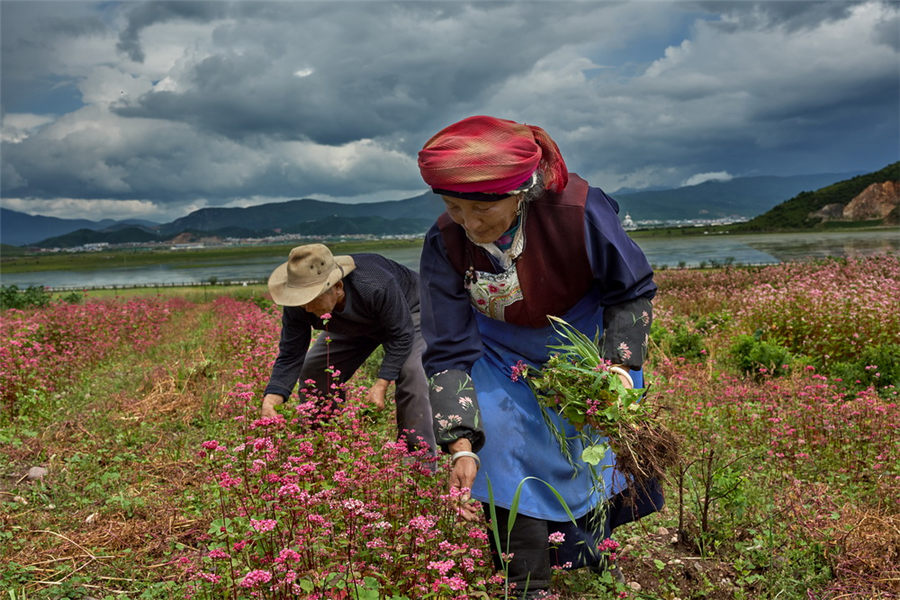
Qinghai-Tibet Plateau
Introduction
The Qinghai-Tibet Plateau, also known as the "Roof of the World", is the highest and largest plateau on Earth. Located in Southwest China, it spans across the entirety of the Xizang autonomous region and Qinghai province, as well as parts of neighboring provinces like Sichuan, Yunnan, and Gansu.
Covering approximately 2.5 million square kilometers, the plateau has an average elevation of over 4,000 meters above sea level. Its vast expanse and unique geographic and climatic conditions make it one of the most ecologically and culturally significant regions in the world. The Qinghai-Tibet Plateau is home to a diverse array of ethnic groups, including Tibetans, Hui and others, and serves as a crucial water source for Asia, often referred to as the "Asian Water Tower".
Geographical Features
The Qinghai-Tibet Plateau is dominated by towering mountain ranges, deep valleys, and expansive grasslands. Notable mountain ranges include the Himalayas to the south, the Kunlun Mountains to the north, and the Tanggula Mountains in the central region.
Mount Qomolangma (known as Mount Everest in the West) is the world's highest peak at 8,848.86 meters, standing at the plateau's southern border with Nepal. The plateau's terrain is also interspersed with numerous high-altitude lakes, such as Qinghai Lake, Namtso, and Yamdrok Lake, which are both ecologically and culturally significant.
The plateau is the source of many of Asia's major rivers, including the Yangtze and Yellow rivers. Additionally, the region's unique climate is characterized by cold temperatures, strong winds, and intense solar radiation, contributing to its fragile yet diverse ecosystems.
Climate and Ecosystems
The Qinghai-Tibet Plateau features a harsh, high-altitude climate, with long, frigid winters and short, cool summers. Despite these challenging conditions, the plateau supports a wide range of ecosystems, from alpine meadows and grasslands to wetlands and forests. It is home to many endemic and endangered species, such as the Tibetan antelope, snow leopard, and black-necked crane.
This region plays a critical role in regulating global climate patterns. Its high-altitude terrain affects atmospheric circulation, influencing monsoons and weather systems across Asia. The plateau also serves as a significant carbon sink, with its grasslands and wetlands storing vast amounts of organic carbon.
Cultural and Historical Significance
The Qinghai-Tibet Plateau is not only a natural wonder but also a cradle of ancient civilizations. Tibetan Buddhism has profoundly shaped the region's culture, evident in iconic monasteries such as the Potala Palace in Lhasa. These spiritual centers have drawn pilgrims and visitors for centuries.
Traditional nomadic lifestyles, centered around yak herding and barley cultivation, continue to thrive in many parts of the region, preserving a unique cultural identity.
Modern Challenges and Conservation Efforts
The Qinghai-Tibet Plateau faces numerous environmental and social challenges, including climate change, glacial retreat, desertification, and habitat loss. Rising temperatures have accelerated the melting of glaciers, threatening the water supply for millions of people in Asia. Urbanization and infrastructure projects, while boosting economic development, also pose risks to the plateau's fragile ecosystems and cultural heritage.
In response, the Chinese government and international organizations have implemented various conservation initiatives. Programs such as the Sanjiangyuan National Park aim to protect the headwaters of major rivers and preserve biodiversity. Efforts are also underway to promote sustainable tourism and improve the livelihoods of local communities while minimizing environmental impacts.








